A Tree, a Crossroads, a Town
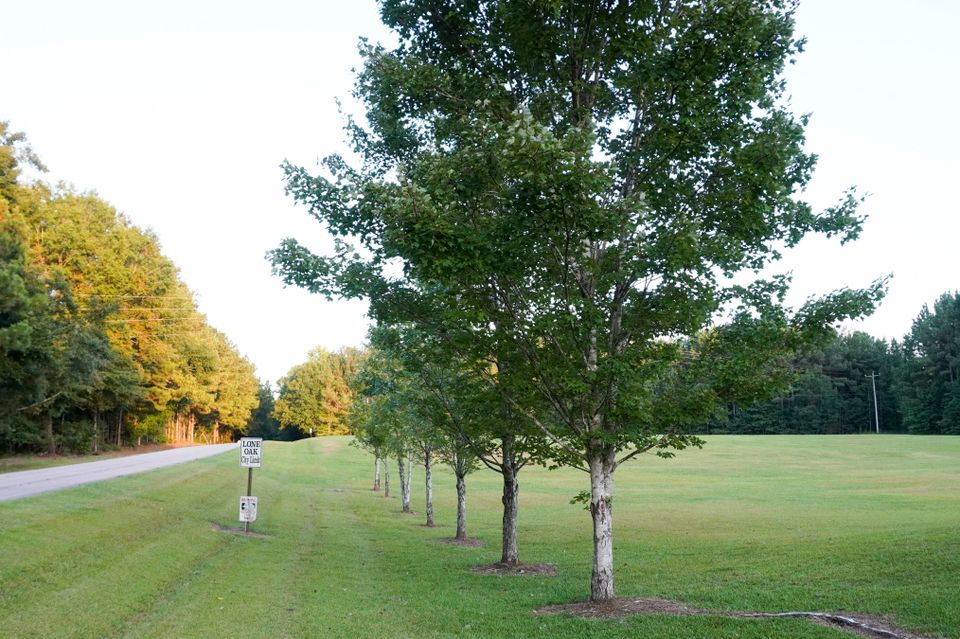
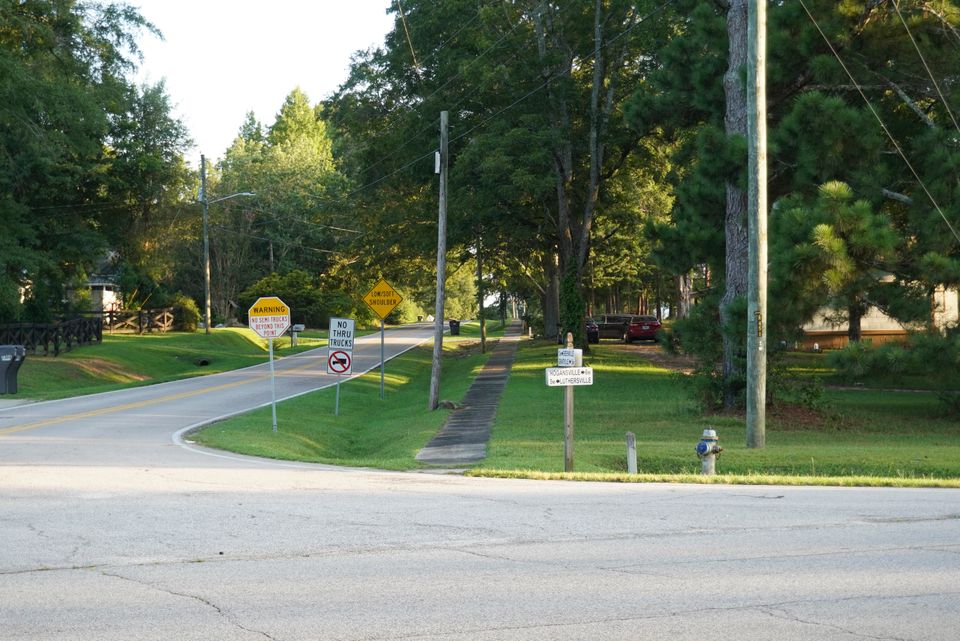
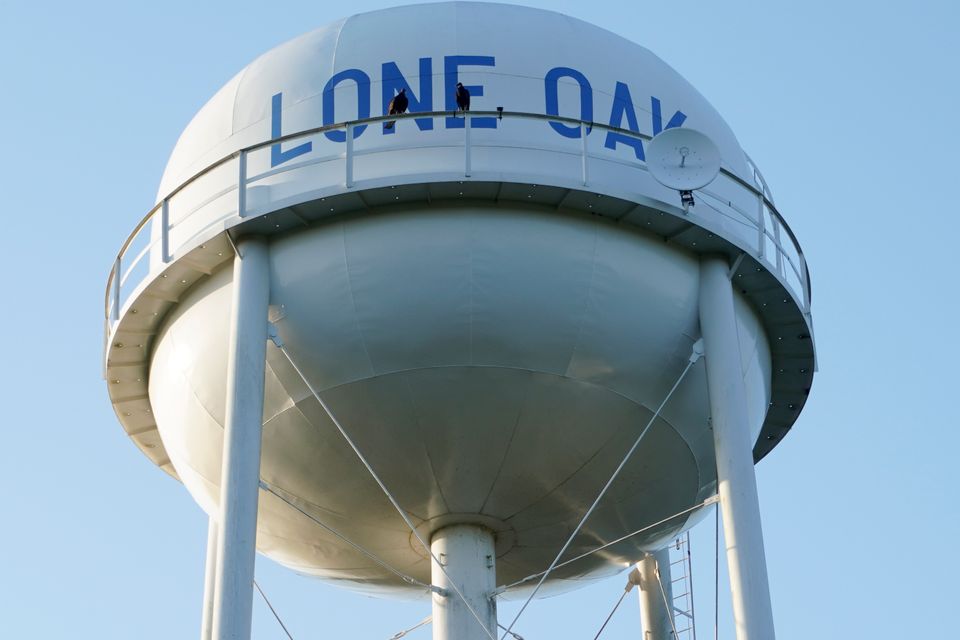
Lone Oak takes its name from a single post oak that once stood sentinel where two dirt roads crossed in the northwest corner of Meriwether County. The tree is long gone now, toppled by a storm generations ago, but it gave its name to everything that grew up around it. Before that, locals sometimes called the place "Graball," the story goes, because two rival families each accused the other of trying to grab up all the land. By the time Meriwether County itself was carved out of Troup County in 1827, the crossroads community was already taking shape, and in 1832 a settler named Daniel Fling cleared four hundred acres of woods and streams and built a plantation cottage there. Fling and his descendants sold off plots over the following decades until, piece by piece, the whole town came to sit on what had been his land. What started as "Fling's Cross Roads" became, simply, Lone Oak.
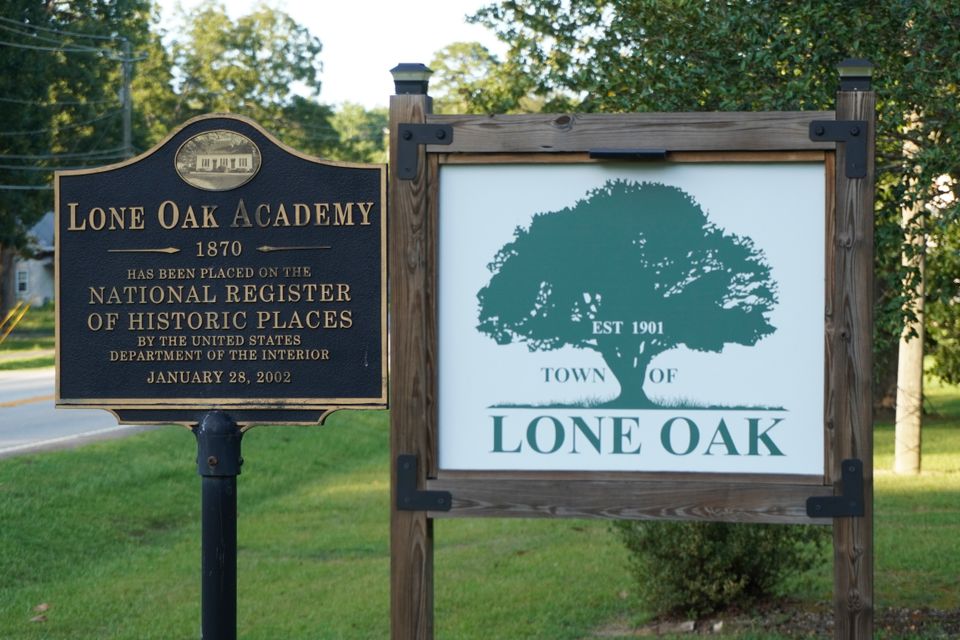
The town was formally incorporated by the Georgia legislature on November 15, 1901, with G. G. Culpepper serving as its first mayor. From the start it was a modest place — the founding charter capped its limits at three-quarters of a mile in every direction from the crossroads, and the population hovered around 150 for its first several decades. But modest size never stopped Lone Oak from having opinions about itself: one of its own early historians described it as "humble in station" but proud of standing by the nation in every war from the Civil War forward.